

The Financial Side of Taking a Travel Healthcare Contract: What to Track Before, During, and After an Assignment
Reading Time: 7 minutesA travel healthcare contract can open the door to better pay, new places, and more freedom. But the weekly pay rate in the job listing doesn’t tell the whole story. The most useful comparison is expected net income: total compensation minus taxes and the full cost of completing the assignment.
That’s why it helps to review your finances before, during, and after every assignment. A little planning can help you avoid surprise costs, build stronger savings, and compare future contracts on more than pay alone.
Highlights
- – Compare net income, not just advertised weekly pay, before you accept any travel healthcare contract.
- – Track stipends, reimbursements, receipts, mileage, and healthcare costs while the assignment is still active.
- – Review profit, taxes, and spending after each contract so your next assignment is easier to compare.
Before accepting a travel healthcare contract: Know what you’re actually earning
Before you accept, look past headline pay and review your earnings, costs, and records before your first shift.
Compare take-home pay instead of advertised weekly pay
The advertised weekly pay can grab your attention, but it doesn’t show what ends up in your bank account. Your take-home pay depends on taxes, housing stipends, meals and incidentals, local living costs, and state tax rules.
Some contracts offer a higher gross wage but come with higher expenses. Others pay less yet leave you with more after bills.
For example, compare a travel nurse job in Florida with one in California or Massachusetts. California may offer a higher hourly wage, but state income taxes and a higher cost of living can reduce your take-home pay. Florida has no state income tax, but housing costs, transportation, and your overall tax situation still determine how much you actually keep.
Always compare what you’ll keep, not just what you’ll earn.
When comparing offers, record the same categories for each contract: taxable wages, stipends, estimated taxes, housing, transportation, licensing, insurance, and unpaid time before or after the assignment. Using the same categories prevents a high weekly rate from hiding higher assignment costs.
Once you’ve compared expected net income, estimate the upfront costs you will need to cover before signing.
Estimate assignment costs before signing
Many assignments come with upfront costs. If you don’t account for them, they can take a bite out of your first few paychecks.
Add up expenses such as:
- – Temporary storage if you need it
- – Travel to your new location
- – Credentialing fees
- – Housing deposits
- – Licensing costs
- – Uniforms
- – Parking
Set aside an emergency fund as well. It can help if your start date changes or an unexpected expense comes up.
For example, a contract may require a new state license, a housing deposit, and several travel days before your first paycheck. Planning can help you avoid dipping into savings or relying on credit.
Decide what financial records you’ll track from day one
Good recordkeeping starts before your assignment begins. Decide what you’ll track so nothing gets missed once work picks up. Keep records of your income, stipends, mileage, receipts, business expenses, and tax documents in one place.
Using expense management software from the start can make it much easier to keep everything organized throughout your assignment.
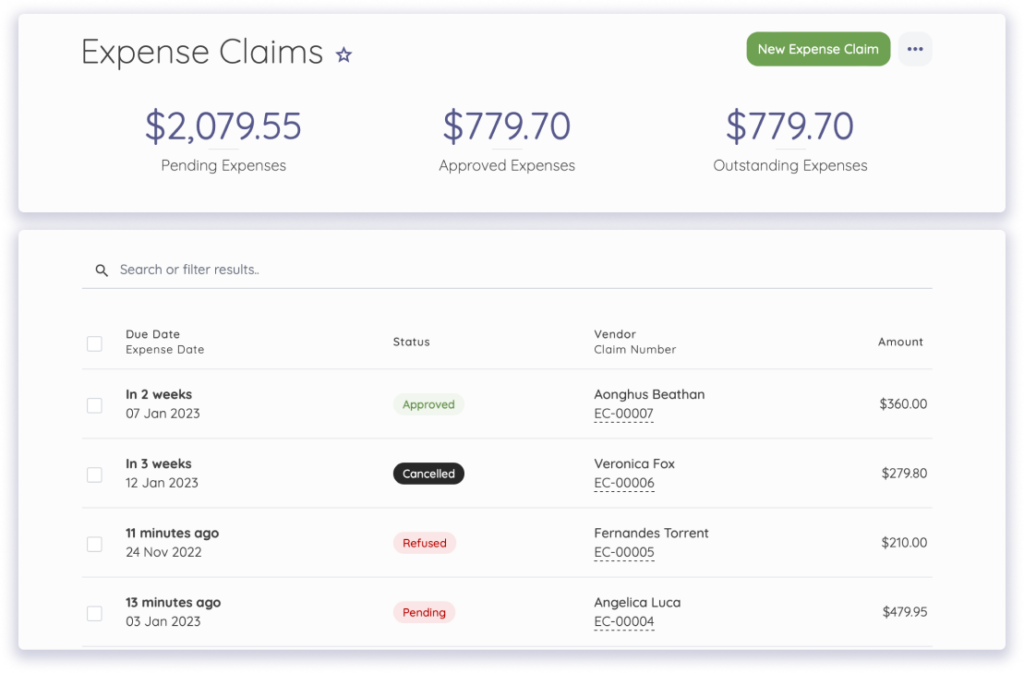
For example, save every receipt for work-related travel or required purchases instead of trying to find them months later during tax season.
Travel contracts can be rewarding for clinicians, but they also have an important purpose for healthcare facilities. Hospitals use them to fill urgent staffing gaps and maintain patient care while reviewing long-term staffing needs.
Permanent employee turnover and employee health plans can become major operating costs for many facilities. Travel clinicians give employers the flexibility to manage those costs while supporting broader efforts aimed at reducing employer healthcare costs and reviewing long-term workforce and benefits spending.
Keeping organized financial records gives you a clear picture of what you earned and spent during each assignment.
During your assignment: Track income and expenses consistently
Once your assignment begins, keep your financial records up to date. Small purchases and extra income can add up over several weeks.
Tracking everything as it happens ensures that you know what you’re earning, what you’re spending, and where you may need to adjust.
Monitor every source of income
Your paycheck is only one part of your total income. Review each pay stub to ensure each payment matches your contract.
Track your:
- – Reimbursements, if you receive any
- – Housing stipends
- – Shift differentials
- – Regular pay
- – Overtime
- – Bonuses
Recording each source separately helps you spot missing payments or unexpected changes in your compensation.
For example, if you pick up weekend shifts and receive mileage reimbursement in the same pay period, record them separately. You’ll have a clearer record of income when the assignment ends.
Record your day-to-day expenses
Small expenses don’t seem like much on their own, but they can add up over the course of an assignment. Record them to get a more accurate picture of your spending.
Track costs such as:
- – Fuel and public transportation
- – Licensing renewals
- – Work equipment
- – Housing
- – Parking
- – Utilities
- – Meals
You can also scan and upload receipts into an accounting tool such as Akaunting. Keeping everything in one place makes it easier to review spending, stay organized, and prepare for tax season. This helps you manage business expenses effectively.
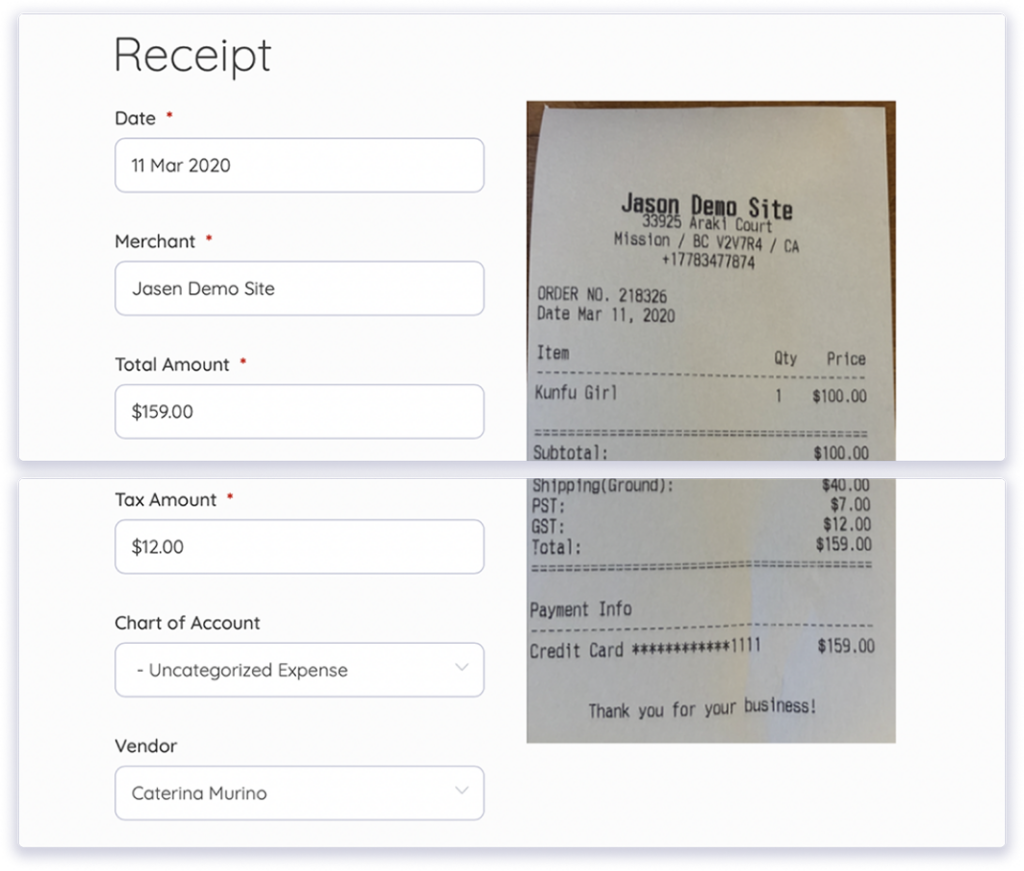
For example, you may stop for fuel several times a week, pay for parking every shift, and buy a few work supplies during the month. Together, these can take a larger share of your budget than you expected.
Budget for healthcare costs between assignments
Healthcare costs can change from one assignment to another as insurance coverage, pharmacy networks, and out-of-pocket expenses vary by location and plan. Reviewing your coverage and expected out-of-pocket costs helps you avoid unexpected bills.
If you take prescription medication or manage an ongoing health condition, check what your insurance covers before your next assignment starts. Compare pharmacy prices if you’ll be filling prescriptions in a new location, and leave room in your budget for emergency medical expenses.
For example, if your new insurance plan uses a different pharmacy network, the cost of a refill could change even if your medication stays the same.
The financial side of taking a travel healthcare contract goes beyond pay packages and housing stipends. Personal healthcare costs deserve the same attention. For clinicians who rely on ongoing treatments, understanding the coverage and costs of medications such as liraglutide prescriptions can help prevent unexpected expenses. Keeping these costs in the same record as your assignment income will make the final financial review more accurate.
After your assignment ends: Review your financial results
Your assignment may be over, but there’s still one more step.
Looking back helps you see what worked, what cost more than expected, and what to adjust before your next contract.
Calculate your true net earnings from the assignment
The amount you earned isn’t the same as the amount you kept. Add up your total earnings, including stipends and reimbursements. Then subtract your total expenses.
Don’t forget taxes when calculating your final net income. An income and expense report lets you see how your income and expenses compare over the course of an assignment.
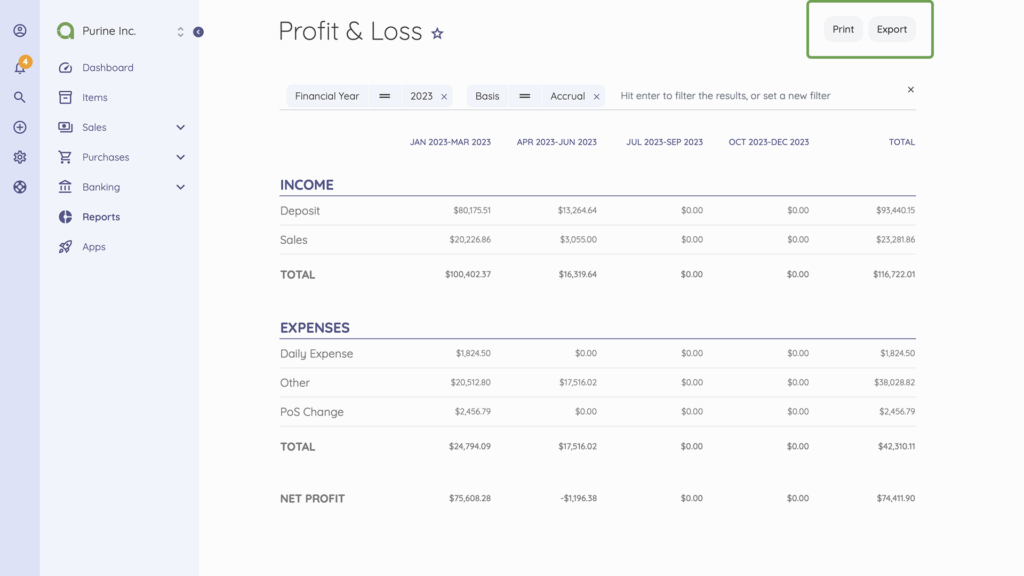
Review how much you saved during the assignment and compare it with your original goal. Then look for anything that surprised you. Maybe housing cost more than expected, or your overtime income increased more than planned.
For instance, you may have accepted a lower-paying contract but still ended up with a higher net income because your living expenses and taxes were lower.
Those lessons can help you evaluate future offers with a better understanding of their true value.
Prepare for taxes and your next contract
Before moving on, organize your receipts, tax documents, mileage records, and other financial paperwork in one place. Keeping everything together makes tax preparation much easier.
Next, update your budget using what you learned during the assignment. Review your spending to see where your money went and identify costs you can plan for next time.
You might find that parking and transportation cost more than you planned. Knowing that ahead of time helps you budget more accurately for future assignments.
Build better financial habits for every assignment
Every travel healthcare contract deserves more than a quick look at the weekly pay. Take time to review the numbers before you accept an assignment, track your income and expenses while you work, and look back at your results once it ends.
Over time, those records can help you identify which assignments leave you with the strongest net earnings.
Try Akaunting to keep your income, expenses, and financial records organized from one assignment to the next.
FAQs
What should I track during a travel healthcare contract?
Track every source of income. This includes regular pay, stipends, overtime, bonuses, and reimbursements. Record housing, travel, healthcare, and work-related expenses, and keep your receipts.
Having complete records makes budgeting easier and helps you prepare for tax season.
Is the highest-paying travel healthcare contract always the best option?
No. A higher weekly paycheck doesn’t always mean you’ll keep more money. State taxes, housing costs, travel expenses, and the local cost of living all affect your take-home income.
Compare your expected net earnings instead of gross pay alone.
Why should travel healthcare workers keep detailed financial records?
Detailed financial records help you:
- – Compare one assignment with another
- – Prepare your tax documents
- – Build accurate budgets
They also show your true profit after expenses and taxes. This makes it easier to choose contracts that support your long-term financial goals.
Author bio:

Kelly Moser is the co-founder and editor at Home & Jet, a digital magazine for the modern era. She’s also the content manager at Login Lockdown, covering the latest trends in tech, business, and security. Kelly is an expert in freelance writing and content marketing for SaaS, Fintech, and ecommerce startups.