
Cash Flow Management Tips for Small E-commerce Businesses
Reading Time: 7 minutesE-commerce businesses may run at a profit. But that doesn’t mean the cash flow is positive. Which is why it is necessary to implement the right cash flow management practices.
A part of this cash flow problem is due to unsold stock. For asset-light brands running print-on-demand, the gap is between paying the print partner and getting paid by the store or marketplace.
Given that the print-on-demand business model spares you from holding inventory, it works in your favor, as you only pay the print partner after a customer has ordered and paid.
One number captures that gap: the cash conversion cycle. It represents the number of days it takes to sell your stock, plus the days to collect what you are owed, minus the days you take to pay your suppliers.
Below, we’re featuring five tips that help you close this gap, so the sales you already make free up more usable cash.
Tip 1: Pre-sell the product before you make it
One way to influence the pace of cash flow is to adopt a business model that doesn’t require you to commit to buying products before making a sale. This is where print-on-demand comes into play. Here, the customer purchases and pays for the item before your print partner produces it. You’re essentially booking the sales before incurring any production costs.
Pre-orders apply the same principle to anything you would otherwise pay for in advance, whether that is a brand-new design or a first production run for a product that does not yet exist.
Knowing who to pre-sell to is essential. Learning about customer data platforms is valuable. These platforms integrate customer behavior and purchase history. They help identify potential buyers before opening pre-orders.
To have a pre-selling product in place:
- – Open a new design as a pre-order or a timed launch window. Let the paid orders prove demand before you spend on a bulk run or on ads. This lets you discover what sells without having to fund it first.
- – Size the run from the pre-order count, so you buy against confirmed demand. Also, determine an honest ship date to keep cancellations and refunds low. The same approach scales up to a full product launch. Outdoor gear brand Peak Design funded a second production run of a Capture Camera Clip that did not yet exist by pre-selling it on Kickstarter for $50. They collected backers’ money before the units were even made.
Tip 2: Avoid tying cash in stock you have not sold
If you have to buy the stock before making any sales, then you have the problem of cash sitting on a shelf instead of working for you. With tip #1, you will fund only a single launch.
But you’ve got to make an ongoing, operating choice to carry as little inventory as your product allows, so your cash stays free to move.
For this to happen:
- – Make print-on-demand your default business model. This way, you’re ordering the stock for each item only after it sells, so none of your money is ever parked in stock.
- – Know where the model stops functioning for a certain range of products. POD fits printed designs such as apparel, mugs, and posters. For candles, food, or ceramics that cannot be made to order, lean batch buying is the option that keeps cash from piling up in stock.
Tip 3: Manage payment terms on both sides, and keep a cushion
A business’s operating cash has two checkpoints. On one end, you have suppliers, where you pay for stock and materials as part of fulfilling orders. The payout end is when the money from a sale actually reaches your account.
The goal for effective cash management is to free up cash by working both ends. That means taking more days to pay your suppliers and getting the sale money released to you faster. Businesses can also streamline customer payments by making it easier to generate QR codes for invoices and checkout. This reduces friction and speeds up transactions.
Again, you’d need to keep a reserve to cover the days when money going out and money coming in do not line up.
Large online retailers stretch this far enough to collect payments from buyers before paying suppliers. This creates a negative cash conversion cycle in which they pay vendors much later after the sale is made.
A small store cannot reach that, but the same moves shorten its cycle. Especially when running print-on-demand, you pay per order rather than buying stock ahead, so the payout end is where your cash actually moves.
On the supplier side:
- – Request that suppliers can move from Net 30 to Net 45 or Net 60 if you have the order history and a clean payment record.
- – Match each supplier bill to the purchase order it came from. This allows you to see what you owe against the amount that stock has actually been sold for. Akaunting’s sales and purchase orders link the two, so you pay a bill knowing the stock behind it has already brought money in.
On the payout side:
- – A payment processor or marketplace does not pay you the moment a customer checks out. It pays on a set schedule, often a rolling few days.
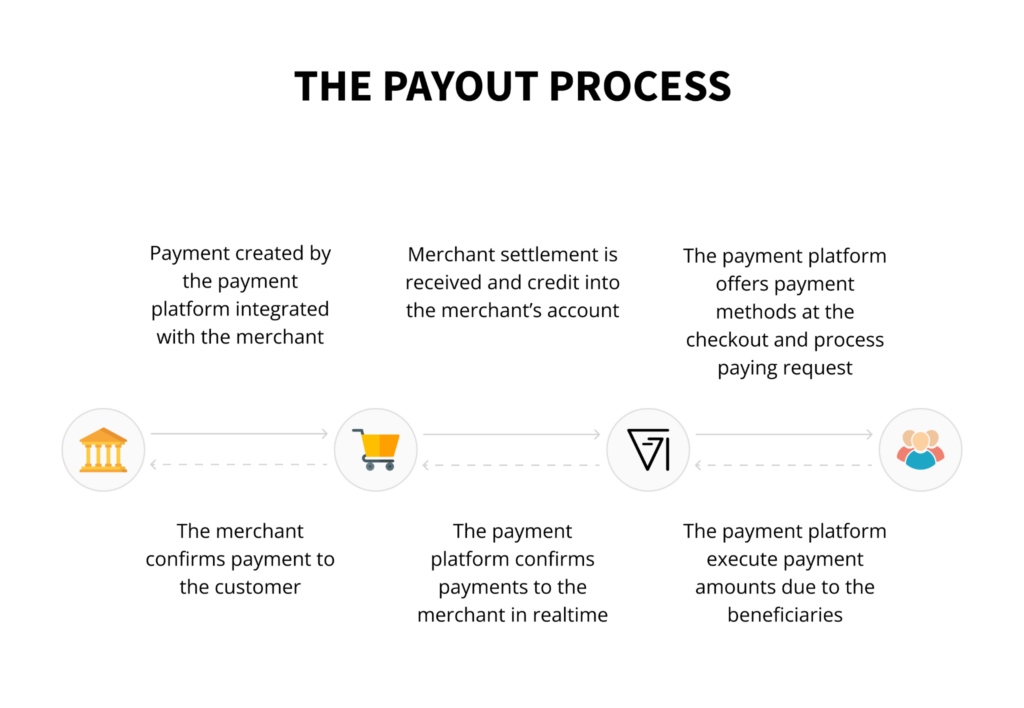
- – Treat a sale as cash-only once the payout clears your bank, because spending against money that has not arrived is how a bill comes due in a week when the payout is still 10 days out.
On platforms like Stripe or Amazon, newer sellers may have a reserve, which is a share of each sale withheld for weeks. This practice helps cover potential refunds or chargebacks.
Strong cybersecurity awareness training can also help ecommerce teams avoid phishing or account-takeover incidents that disrupt payouts and cash flow. Both reserves and payout delays affect when the money is actually yours to spend.
Pro tip: Keep a cushion for the days that do not line up.
For starters, have three to six months of operating expenses as a standard benchmark, though most fall well short. The median small business holds only about 27 days of cash buffer, according to the JPMorgan Chase Institute. This limited cash reserve is exactly why a single slow month can have a significant impact.
Tip 4: Optimize inventory so cash isn’t trapped in it
Fast-selling stock can quickly turn into cash because you can encash the product you’re keeping in stock. But a stock that lingers for too long can tie up your money until you clear it.
Which is why you need to know which of your products are fast-selling and which are doing well. That’s one way to reduce dead stock and contribute to a broader inventory discipline.
To make sure the cash isn’t sitting in the dead stock —
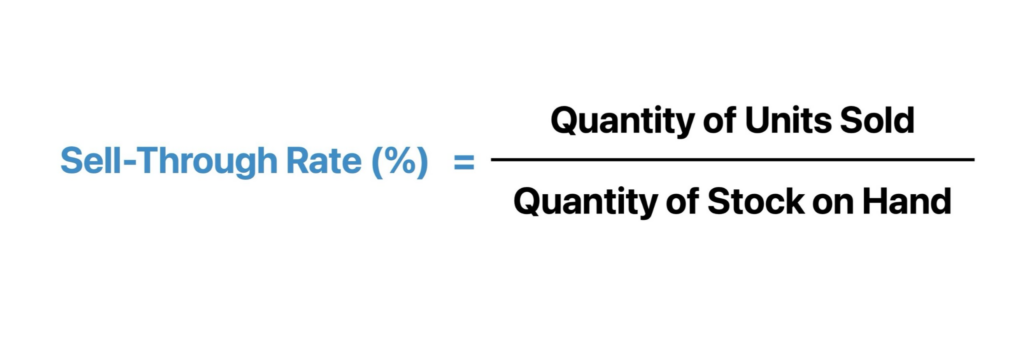
- – Track sell-through rate and inventory turnover per SKU, not just the total stock value. It helps determine which products are converting to cash and which are just sitting.
- – A reorder point for each SKU can help so that the stock level (below a certain point) triggers your next order. Restock fast movers automatically, and stop reordering slow ones out of habit. Base reorders on actual sales data to avoid overbuying products that then sit and force a later discount.
- – Track stock levels in real time to see what is running low and what’s overstocked before either one costs you a sale or a markdown. Aninventory management app keeps those counts up to date as orders come in, instead of you checking them by hand.
Tip 5: Use accounting software to see your real cash position
One way to keep cash moving and through the right channel is to see what is coming in and what is going out in one place. This is easily possible if you have the right tools in place.
With Akaunting, you can track income and expenses in a single ledger and see real numbers instead of guessing from your bank balance. This gives a clear picture of the money already committed to bills and refunds that are yet to be settled.
- – When selling wholesale, you wait weeks for payment. This channel uses net terms, not instant checkout. Akaunting’s invoicing feature sends invoices automatically. It also reminds you of overdue invoices. This prevents your owed money from slipping through the cracks. No one misses follow-ups on your side.
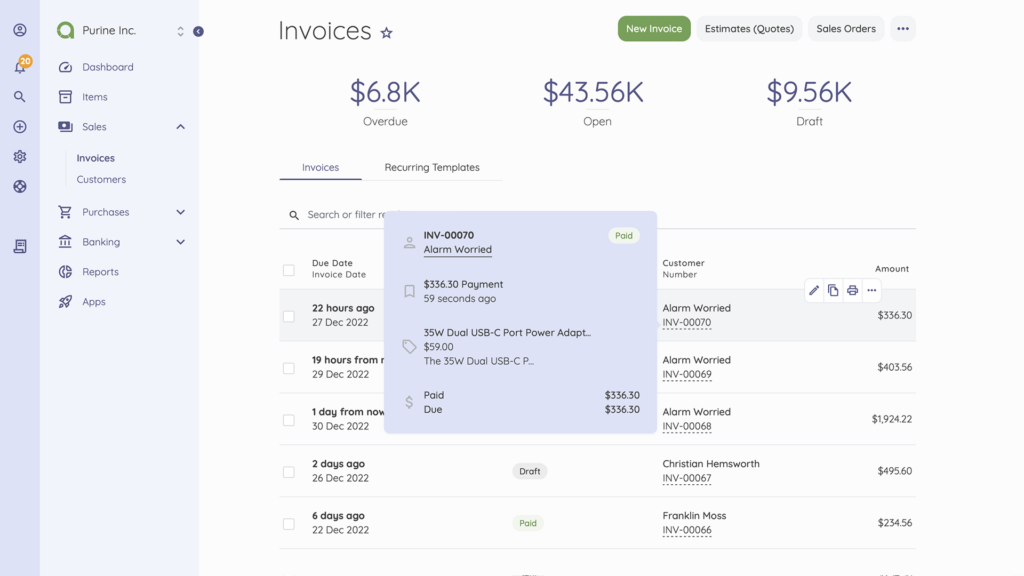
- – When a customer pays, the marketplace or processor takes its fees out first and sends you the rest, so the price on the order is higher than the amount that reaches your account. If you record only the sale price, your books show income you never received. Enter the fee on each sale alongside the price to have your income and profit reflect what you were actually paid rather than what the customer was charged.
Once these numbers are in one place, you can see a shortfall coming and plan for it before the week a bill falls due.
Conclusion
All five tips above help bring cash in sooner and eventually achieve the goal of a shorter cash conversion cycle. What you’re essentially chasing here is a more predictable cash-flow cycle wherein the same sales volume leaves more usable cash in the business each month. That way, you’re funding growth from your own trading rather than from a card or a loan.
Start with whichever one fits your setup, and track the effect on a single ledger. Akaunting is free to begin with, so you can set up your books and see your cash position in one place from day one.

Rushali Das helps B2B SaaS companies grow organically through performance-led link-building strategies. By earning high-authority backlinks to relevant content assets, she improves search performance, drives qualified traffic, and supports MRR growth.