

How to Bridge the Gap Between Project Milestones and Profitability for Established Businesses
Reading Time: 6 minutesHitting project milestones doesn’t mean you’re making profit. In fact, you can hit every deadline in your Gantt chart and still lose money.
If you want your projects to truly drive results, each milestone needs to tie back to revenue, costs, and margins. Let’s take a closer look at why this is important and how to bridge the gap between project milestones and profitability.
Why it’s pivotal to bridge the gap between project milestones and profitability
Connecting project milestones to profit early helps you:
- – Avoid losing money on milestones. Hitting launch dates or rolling out features looks good on paper. But underpricing, scope creep, or slow delivery can quietly eat your profits. Tracking value early helps you spot when you need to reprice, cut scope, or tweak processes.
- – Make smarter revenue choices at scale. When milestones tie to profitability, you can focus on the types of projects that drive the most profit for your company.
- – Keep cash flowing. Connecting milestones to billing and payment schedules helps you plan for a more realistic, steadier cash flow.
What gets in the way of project profitability?
Several common issues chip away at profits even when projects look like they’re on track. These include:
- – Focusing only on deadlines and not profit: Hitting milestones without tying them to revenue, costs, and margins leads to “successful but unprofitable” projects.
- – Misaligned resources: Teams that are overworked, underutilized, or working on low-value tasks slow progress and increase costs.
- – Siloed communication: When project teams and finance don’t share real-time updates, early warning signs get missed.
- – Poor cost tracking: Not monitoring labor hours, material costs, or expenses per milestone hides overspending.
- – Delayed cash flow: Billing or payment schedules that don’t match project milestones create gaps in liquidity.
- – Uncontrolled scope creep: Adding features or tasks without adjusting budget or timeline eats margins.
How to bridge the gap between project milestones and profitability
With that in mind, let’s look at how to turn milestone progress into real profitability.
Analyze costs, margins, and cash flow at each milestone
Always pair milestone tracking with cost analysis.
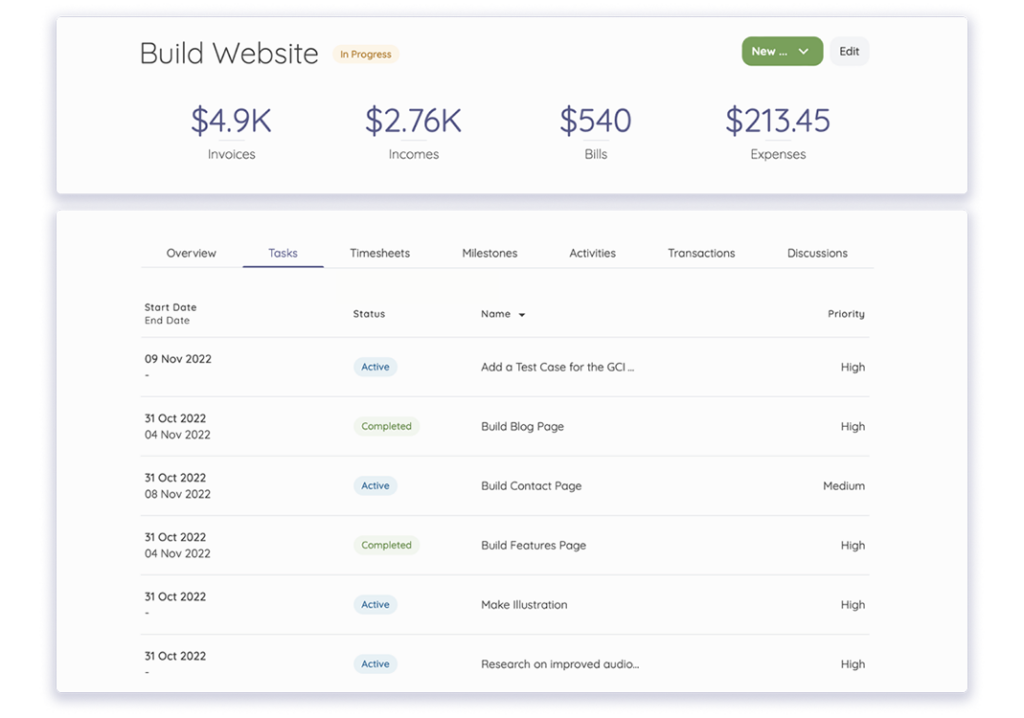
At each milestone, make sure to review:
- – Resource allocation. Check to see if the project has the right people and hours, so the team isn’t overworked or misaligned.
- – Invoices, income, and expenses. (So you know your cash flow and whether milestones improve the bottom line.)
- – Material costs. Track what you’re spending on physical or digital materials to prevent overruns.
- – Labor hours: Check whether the time your team spends on tasks matches what you expected.
Flag milestones where spending exceeds projected margin, and adjust your project plan before the next phase.
Align project planning with financial goals early
At project kickoff, set milestone goals that cover both delivery and financial targets — like completing a feature on time while staying under budget.
Track progress in your project management tool so the team can see how their work affects costs, margins, and cash flow.
Break down profitability drivers per milestone
Use real-time dashboards and frequent milestone reviews to identify all costs and revenue associated with each project phase.
Separate fixed costs (like salaried labor) from variable costs (like subcontractor fees). Track how delays or scope creep impact each milestone’s contribution to profit. For instance, if adding a feature in software development increases hours but doesn’t add revenue, consider cutting it or reprioritizing.
Make sure to also offload admin, documentation, and follow-ups that don’t move project deliverables if you have room in the budget.
If you’re in a regulated industry, find a VA or remote support with the right certification. For example, in healthcare projects, an ER Virtual Scribe can handle clinical notes and documentation. This lets your core team focus on execution.

(ER Scribe Image Source)
Incorporate risk and contingency into milestone targets
Plan for scope creep, delays, and cost overruns before they happen.
Quantify the financial impact of risks at each milestone. Allocate additional resources to critical tasks on the critical path.
For example, in construction projects, budget for weather delays or supplier issues. In marketing campaigns, include contingency hours for creative revisions or social media approvals. Buffering each milestone protects margins without slowing delivery.
Monitor project scope changes rigorously at each milestone
Set up a formal change management approval process.
Require that all scope adjustments include a financial impact assessment.
Evaluate whether the change aligns with the project goals, project timeline, and expected margins. If not, negotiate cuts or postpone changes to prevent scope creep from eroding profits.
Improve communication between project managers and finance teams
Use an enterprise portfolio and project management platform (EPPM), so project teams and finance are looking at the same data.
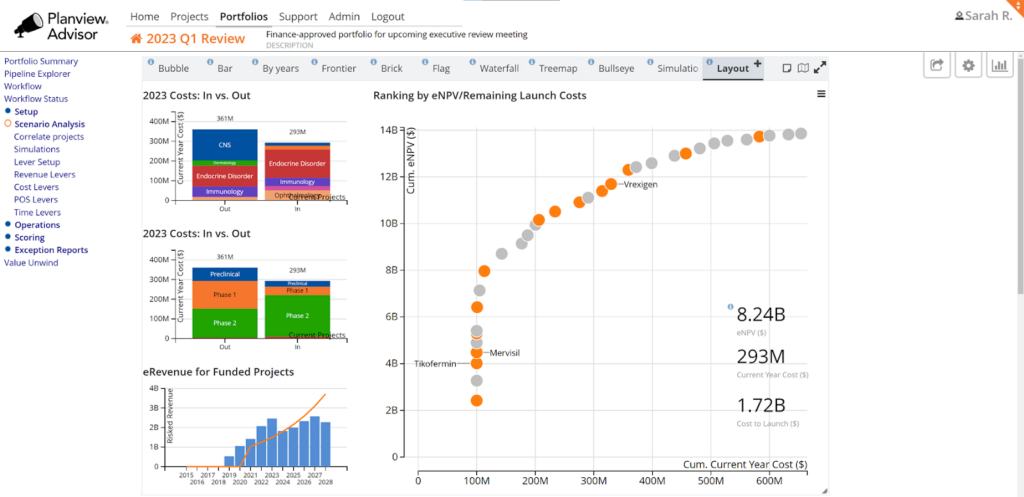
(An EPPM: Set up shared dashboards that show milestone status, budget consumption, and cash flow forecasts in one place. Image Source)
Hold short weekly check-ins where PMs and finance review risk, progress, and any deviations from the project plan. Pay attention to early warning signs, such as labor hours rising or payments slipping, and act before margins take a hit.
(This matters even more when multiple teams or overlapping project phases are at play, because small issues compound quickly.)
Leverage technology to connect project management and financial data
Use project management tools that integrate with accounting or ERP systems. Automate alerts for cost overruns or missed revenue milestones.
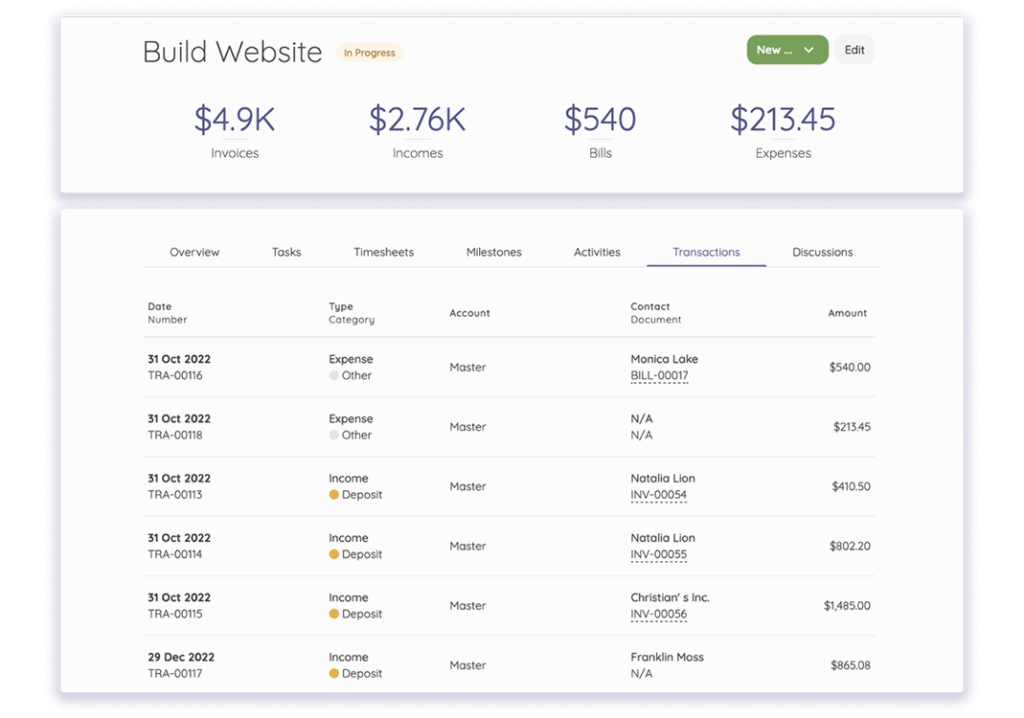
For example, set triggers if a milestone’s spend exceeds the budget by 10%. Or if invoicing falls behind schedule.
If an alert comes in, act immediately to prevent profit loss.
Regularly review post-milestone performance
After each milestone, hold a brief retrospective to review both progress and profitability.
Compare actual versus planned costs, revenue, and margins. Document lessons you’ve learned in your project plan so future milestones benefit. Over time, these reviews make your milestone schedules more accurate and your resource allocation smarter.
Educate leadership on the difference between milestone success and profit
Make sure executives understand that “on time and on scope” doesn’t guarantee profitability.
Show them milestone dashboards that combine progress with cash flow and margin data. Advocate for financial discipline to be part of the project culture. (Leadership buy-in ensures profit-focused practices are applied consistently across all company milestones.)
Wrap up
Bridging the gap between project milestones and profitability is essential for any PM or PMO leader.
Remember to:
- – Use project management and accounting tools to connect each project schedule with cash flow and revenue.
- – Tie your team’s rewards (bonuses, recognition, or KPIs) to project profitability.
- – Monitor scope creep and adjust resource allocation proactively.
- – Track costs, revenue, and margins at every milestone.
Whether you’re managing a construction project, a software development rollout, or a mass-production initiative, aligning project milestones with financial outcomes helps your company achieve both operational and business strategy goals.
Need a tool that can help? Try the Projects app by Akaunting for only $8 per month, or $5/mo if you pay yearly.
FAQS
How can businesses align milestones with profit goals?
To align milestones with profit goals, integrate revenue targets, cost tracking, and cash flow metrics into your project plans. Use dashboards and project management tools to monitor each milestone’s contribution to your company milestones and overall business strategy.
What role does scope management play in profitability?
Managing project scope prevents unexpected costs from eating your margins. Track scope changes against budget, labor hours, and project deliverables so you can adjust before profits take a hit.
How important is communication between finance and project teams?
Communication between finance and project teams is critical. Share milestone status, resource allocation, and cash flow forecasts.
Set up alerts to address issues before profitability is affected — especially on projects with multiple teams or overlapping phases.
Can incentives improve project profitability?
Yes. Tie team rewards, KPIs, and recognition to both completing milestones and staying under budget.
What tools help connect milestones and financial data?
Use enterprise portfolio and project management (EPPM) software or integrated project management tools with real-time dashboards. Sync your accounting software, too.
How often should profitability be reviewed during a project?
Review profitability after each major milestone or project phase. Check labor hours, material costs, invoices, and revenue. Adjust project plans before the next milestone.
What is contingency planning in project profitability?
Contingency planning for project profitability involves setting aside budget and resources to cover risks. (Like scope creep, delays, or extra labor.) Flexible contingency planning protects margins without slowing down your project schedule.
How can leadership support profitability-focused project management?
Leadership should promote a culture that values both delivery and financial discipline. Use milestone-based dashboards and portfolio reviews to make decisions that keep projects profitable and aligned with company goals.
What should I do before I start my next project?
Review your recent projects for lessons learned, cost overruns, and efficiency gains. Compare actual vs. planned budgets, timelines, and resources, and apply these insights to better plan your next project.
About the Author

Kelly Moser is the co-founder and editor at Home & Jet, a digital magazine for the modern era. She’s also the content manager at Login Lockdown, covering the latest trends in tech, business and security. Kelly is an expert in freelance writing and content marketing for SaaS, Fintech, and ecommerce startups.