
Creator Economy Accounting Problem And the Tools Solving It
Reading Time: 6 minutesThe creator economy is anyone earning directly from an audience, from YouTubers to designers selling templates.
Goldman Sachs projects that it could reach roughly $480 billion by 2027 as monetization expands across platforms and products.
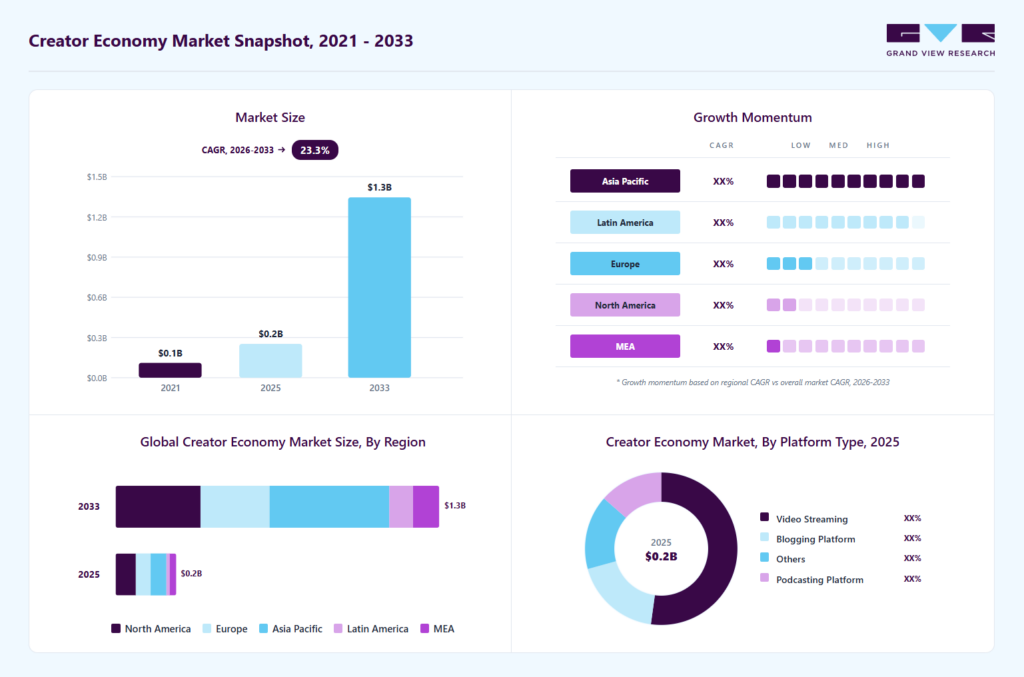
Great news for the industry, but the part most people outside the industry miss is that creative work usually becomes financially complicated long before it becomes financially stable.
Revenue comes in from everywhere, rarely on the same schedule twice. Taxes get confusing fast.
And eventually, the thing that started as posting online starts behaving like a business, whether you’re prepared for that or not.
Accounting sits right in the middle of that transition.
Understanding Accounting Challenges In The Creator Economy
Creator income rarely behaves like a normal salary or even a conventional small business.
One month might include a sponsorship payment, affiliate payout, digital product launch, and a strong ad-revenue cycle.
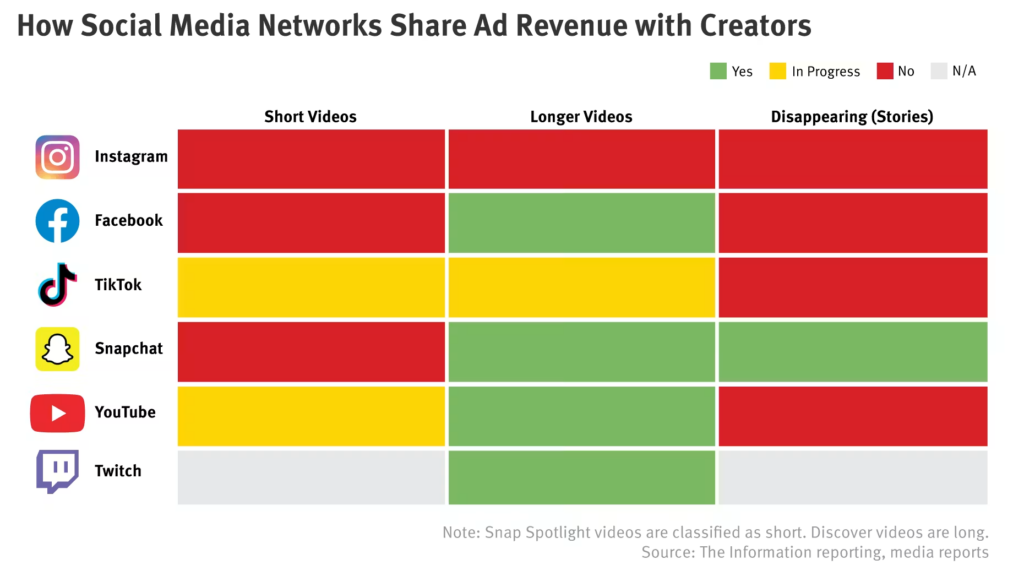
The next month, all you have is a delayed invoice that lands at the end of the quarter.
Meanwhile, platform fees, refunds, contractor payments, and software costs continue moving underneath everything, whether revenue is up or not.
Most creators end up managing income from several places at once:
- — Platform ad revenue (YouTube, TikTok Creator Fund)
- — Sponsorships and brand deals
- — Memberships and subscriptions (Patreon, Substack)
- — Merch and digital products (Shopify, Gumroad)
- — Affiliate programs
- — Workshops, coaching, or live events
- — Tips and one-off payments
The variety is useful. Dependence on a single platform is dangerous.
But once income starts spreading across five or six systems, basic bookkeeping gets harder than people expect.
Every platform has different payout timing, reporting thresholds, fees, and tax documents. You stop asking “How much did I make?” and start asking “Where exactly did the money go?”
That is usually the moment creators realize they accidentally built a business.
They wanted to make videos, write newsletters, design products, or build communities. Bookkeeping got bolted onto the side later, usually after the first painful tax bill or cash-flow scare.
Without a system, small mistakes compound quietly. Expenses get mixed. Receipts disappear. Quarterly taxes arrive faster than expected. Platform deposits become impossible to trace six months later.
It gets messy fast because nothing about creator income is naturally organized.
Common Accounting Problems Faced By Creators
The same problems show up over and over across different creator businesses.
Fragmented income
Money arrives from different platforms on different schedules with different payout rules. Some platforms hold reserves. Others batch payouts.
Affiliate programs may lag by 30 to 90 days. Sponsorship invoices sometimes clear late because a brand’s finance team moves slowly.
Without a central system, creators end up checking six dashboards and still not knowing what their actual monthly revenue looks like.
Expense categorization
This applies to gear, editing software, contractors, ad spend, travel, subscriptions, and home office costs.
The hard part is organizing them properly so taxes and reporting stay usable later. Once categories become inconsistent, reports stop being trustworthy. Then budgeting becomes guesswork.
A messy chart of accounts creates problems that usually do not appear until year-end.
Receipt management
Small expenses are where people lose money.
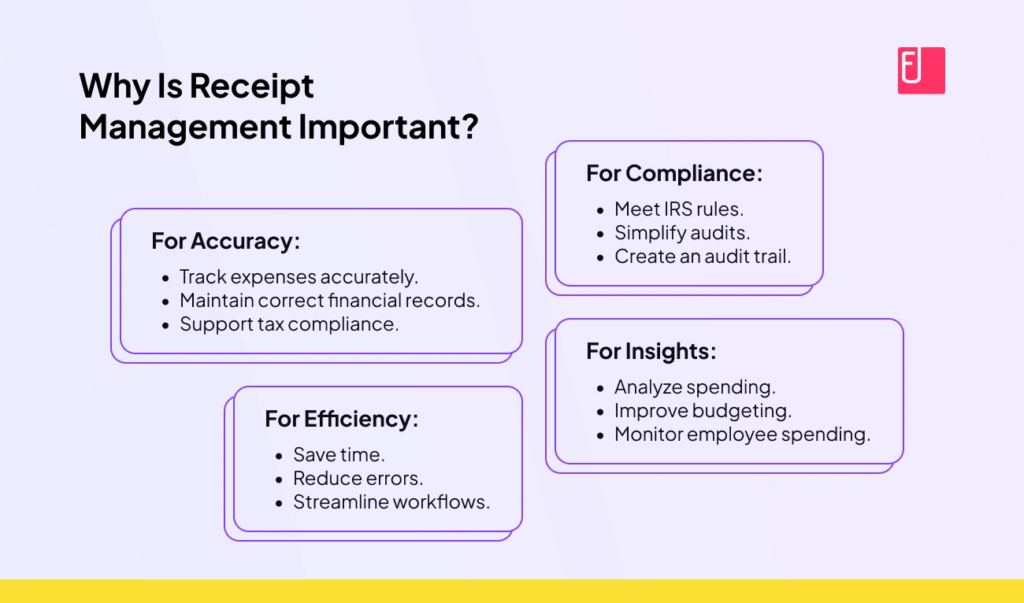
Not the camera purchase everybody remembers. The dozens of smaller charges nobody tracks properly: stock assets, plugins, software renewals, domain fees, microphones, freelance thumbnails, paid communities, travel add-ons.
For creators selling physical merchandise, the expense trail gets even messier once production and fulfillment enter the picture. Costs tied to inventory, packaging, and vendors offering custom hoodies or other branded merchandise can pile up quietly across multiple small transactions if receipts are not tracked consistently.
Tax compliance
Creators often hit tax complexity before they hit operational maturity.
- — 1099-NEC forms
- — 1099-K thresholds
- — Self-employment taxes
- — Estimated quarterly payments
- — Multi-platform reporting rules
The IRS expects self-employed individuals to pay taxes throughout the year, not simply react in April.
A lot of creators only discover this after spending money that should have been reserved for taxes.
Cash flow swings
A strong month creates confidence. Then a slower stretch arrives while recurring expenses continue pulling from the account.
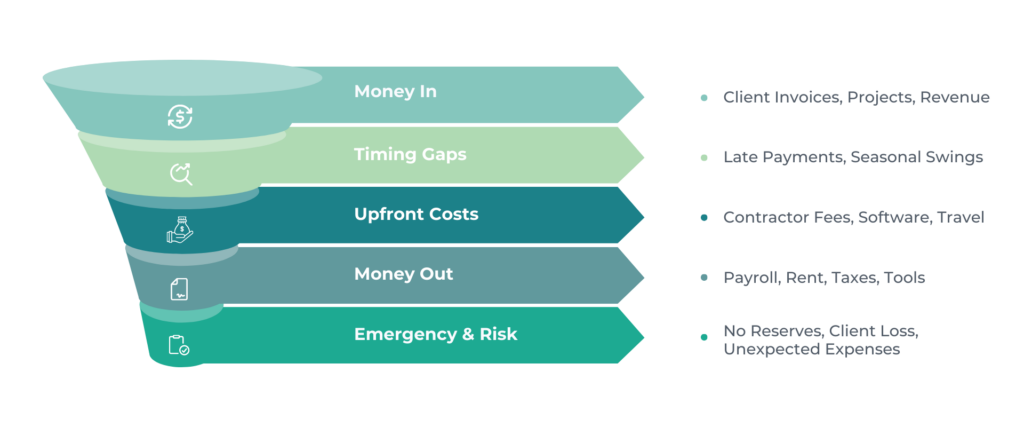
Without cash reserves or some kind of allocation system, creators end up making business decisions emotionally instead of strategically.
That problem gets amplified in businesses with bulk or seasonal order cycles. Brands handling wholesale apparel or transfer orders often separate revenue streams early because large spikes can hide margin and cash-flow problems if everything gets grouped.
Highlighting Key Tools And Platforms
Good systems reduce the amount of manual cleanup required later. Less spreadsheet maintenance. Less reconciliation work. Fewer unexpected moments during tax season.
Akaunting
Akaunting is built for small businesses and solo operators trying to centralize financial management without adding unnecessary complexity.
For creators, the useful part is visibility.
You can separate income by platform or product line instead of lumping everything together, such as AdSense revenue, Patreon subscriptions, Shopify sales, and affiliate payouts. Each stream can be tracked independently.
That sounds small until you start trying to understand which part of the business is actually profitable.
The platform also supports invoicing, profit-and-loss reporting, and payment integrations with processors like Stripe and PayPal through add-ons. Bank feed integrations reduce manual imports, which matters once transaction volume starts increasing.
One dashboard. Cleaner reporting. Less scattered financial information.
QuickBooks And Xero
These offer strong reporting, rules-based categorization, large integration ecosystems, and more operational depth once a creator business becomes larger or more structured.
If contractors, payroll, inventory, or more advanced bookkeeping are entering the picture, these platforms usually scale better long-term.
The tradeoff is complexity. Some creators outgrow lightweight tools quickly. Others adopt enterprise-style systems far too early and create unnecessary overhead for themselves.
FreshBooks And Wave
These tools tend to work well for creators doing more service-based work: consultants, designers, writers, editors, and coaches.
The focus is simplicity. Invoicing, expense tracking, payment collection, and lightweight automation without overwhelming dashboards.
For smaller operations, that simplicity is often the point.
Practical Tips For Creators To Overcome Accounting Challenges
Most financial cleanup does not come from one dramatic overhaul. It comes from a few habits repeated consistently.
Separate business and personal money
This should happen early. You must have a clear separation between personal spending and creator revenue.
Once transactions start mixing, bookkeeping becomes slower, and mistakes multiply.
A dedicated tax account also removes a lot of panic later. Many creators move roughly 25–30% of incoming revenue there automatically, so quarterly payments stop feeling like emergencies.
Name revenue streams clearly
Income is too vague once the business grows.
Separate categories for sponsorships, affiliates, platform revenue, products, memberships, and services make reporting much more useful. You start seeing which parts of the business actually drive profit instead of just generating noise.
That visibility changes decisions.
Automate repetitive tasks
Anything repetitive should probably become automated, like bank feeds, recurring categorizations, payment syncing, and invoice reminders. Manual bookkeeping is too tedious and error-prone to break the moment the workload increases or travel gets busy.
Automation is less about convenience and more about consistency.
Manage receipts immediately
Nobody enjoys reconstructing expenses months later.
The easiest system is usually the best one: upload receipts immediately or attach them directly to transactions while the purchase is still fresh.
Waiting until year-end almost guarantees missing deductions.
Where To Start
The creator economy is growing fast, but most sustainable creator businesses eventually learn the same lesson: creativity alone does not stabilize operations.
Modern accounting tools make this far easier than it used to be. Platforms like Akaunting help centralize tracking, reporting, invoicing, and visibility without forcing creators into bloated enterprise systems.
That clarity matters more than people think.
Because once creators stop guessing about their finances, they usually make better decisions everywhere else, too.
Author’s Bio

Dylan Myers is a financial advisor with over 20 years of hands-on experience in guiding clients toward financial stability. Dylan crafts insightful articles on diverse financial topics, offering valuable advice to readers seeking to navigate the complexities of personal finance.