

Accounting Basics for Content Creators: Setting Up Clean Books From Day One
Reading Time: 6 minutesBuilding a career in the creator economy requires moving past a freelancer mindset and adopting the habits of a business owner.
For many digital creators, financial management is an afterthought, but disorganized records lead to overpaid taxes, poorly tracked influencer income, and missed growth opportunities.
By implementing a standardized accounting system from day one, you can track your revenue accurately and protect your personal assets.
This guide explains the accounting basics for influencers so you can organize your finances and prepare your brand for growth.
Accounting basics for influencers: Establishing your foundation
Professional accounting practices are essential if you want to run your creator brand like a real business. Learning the accounting basics for influencers helps you track your cash flow, automate your invoicing, and stay compliant.
Define your legal and financial identity
Before tracking a single dollar, you must formalize your business legally. This identity dictates your tax liability and determines whether your personal assets are at risk if your brand faces legal trouble.
Your business structure determines how your personal assets are protected. While many start as sole proprietors, growing creators often transition to a limited liability company (LLC) to separate their personal life from their professional brand.
You should also secure an employer identification number (EIN). It acts as a Social Security number for your business. Using an EIN on brand contracts and W-9s keeps your personal data private and is usually required to open business bank accounts.
Also, if your brand operates under a name other than your own, file a Doing Business As (DBA) name. This allows you to receive payments and open accounts under your brand or studio name.
Separate personal and business accounts
Co-mingling funds makes proper expense tracking and profitability analysis nearly impossible. Open a dedicated business checking account for all platform payouts, brand sponsorships, and creator fund distributions. This turns month-end reconciliation into a five-minute task instead of a weekend spent digging through personal bank statements.
If you’re charging gear and software to your personal card, switch over to a business credit card instead. This centralizes your expenses into one statement, creating an automatic audit trail and ensuring you never miss a deductible expense.
Choose your accounting method
Your methodology determines how you track your cash flow. One of the most important accounting basics for influencers is to eliminate manual habits in favor of a standardized system.
Choose your methodology:
– Cash basis: You record transactions only when money moves. It’s the standard for influencers because it matches your actual bank balance.
– Accrual basis: You record income when you send the invoice. It’s more complex but helps established businesses bridge the gap between finishing a project and getting paid.
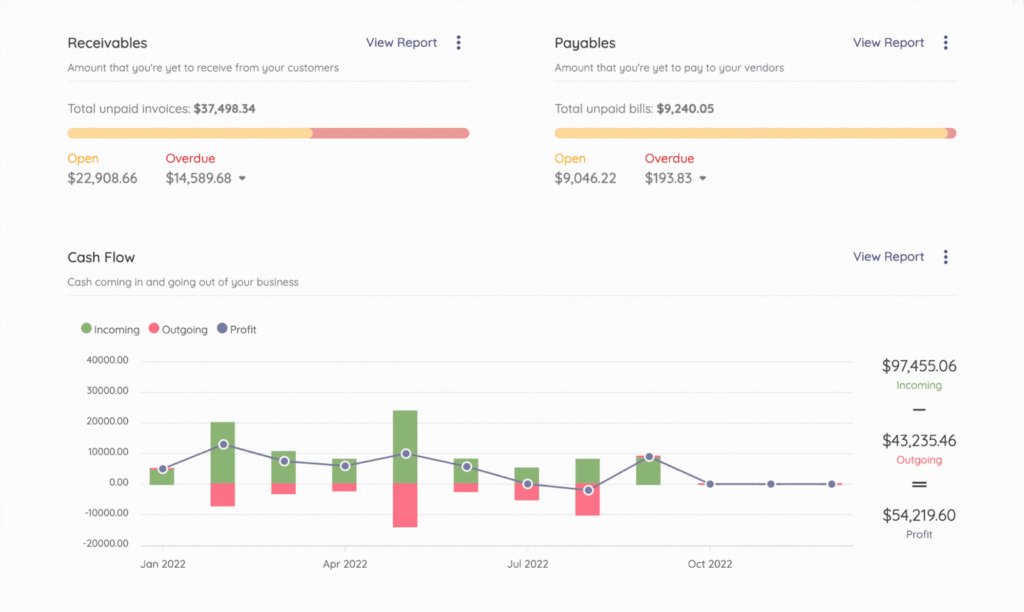
Once you choose your method, the next step is consistency. Spreadsheets are a manual trap that leads to human error and lost time. Moving to professional cloud accounting or other cloud-based software automates the back-office tasks that consume your creative energy.
Categorize creator-specific expenses
Having clean accounting from day one means distinguishing between “hobbies” and “investments.” As a creator, your personal brand is your most valuable asset, and professional photography for content shoots is often one of the first significant expenses you’ll face.
When researching headshot prices, you’ll discover they vary greatly depending on your location and the photographer’s experience. Regardless of the cost, the accounting principle remains the same: it’s a marketing and advertising expense.
Beyond photography, your content creation costs must be organized to reflect the diverse ways you generate revenue. This categorization is an important accounting tip for content creators because it ensures you aren’t just tracking money but also measuring the profitability of your different business lines. The following expense categories help organize creator finances more accurately.
– Operating vs. production costs: Operating expenses are the recurring costs required to keep your business alive, such as software subscriptions (Adobe, Canva) and hosting fees. Production costs, however, are directly tied to your output. Whether you’re producing sponsored content or developing your own digital products, every dollar spent on props, location fees, editors, or travel expenses should be tagged to the specific project it supports.
– Project-based tracking for brand partnerships: To understand your margins on sponsorship deals or brand partnerships, you must account for the specific overhead associated with each deal. In influencer marketing, profit equals your payout minus the direct costs required to produce the content. By tagging expenses to individual brand collaborations, you can see which partnerships are actually driving growth and which are draining your resources.
– Product development: If you’re shifting toward selling digital products like courses or presets, your accounting should reflect the research and development phase. These are distinct from your social media maintenance costs and should be categorized as capital investments in your brand’s future inventory.
Track income streams
Clean accounting isn’t just about tracking YouTube AdSense, brand deals, and affiliate payouts. It’s about safeguarding financial data from day one.
By pairing simple chart-of-accounts structures with the top AI security solutions, creators can detect anomalies, prevent invoice fraud, and keep cloud-based records compliant as revenue scales. The result: real-time financial clarity without exposing sensitive income streams or tax documents to unnecessary risk.
To achieve this clarity, you must categorize your income streams to see which social media platforms actually fuel your business:
– Segment your revenue streams: Don’t lump all payouts into a single category. Distinguish between platform-native payments (like the TikTok Creator Fund), direct brand sponsorships, and passive income from affiliate commissions so you can identify your most profitable channels. This allows you to identify your most profitable channels at a glance.
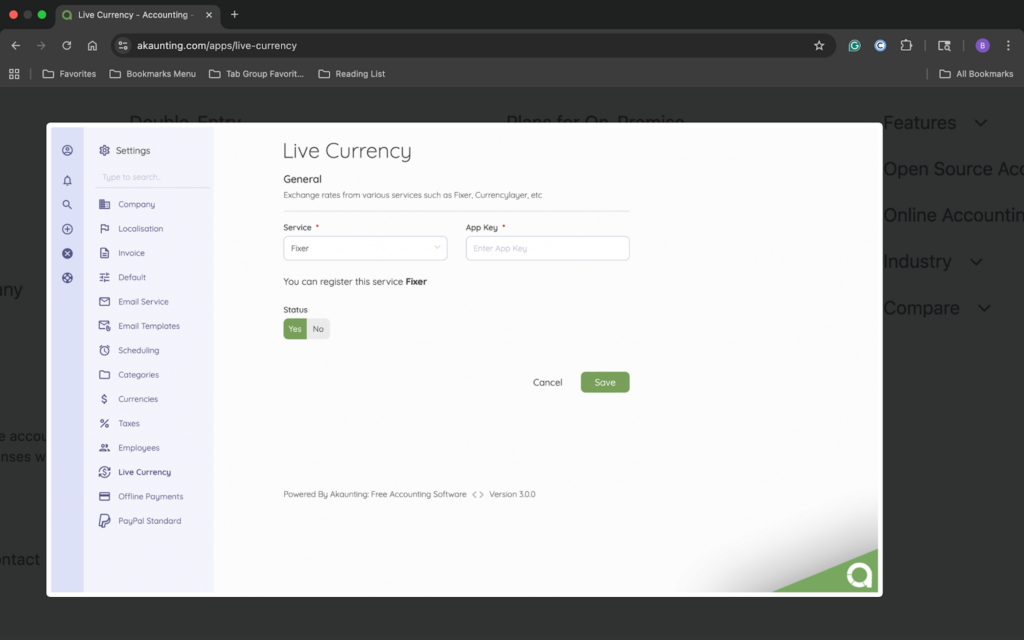
– Manage international earnings: If you have a global audience, you’ll likely deal with multiple currencies and cross-border fees. Use accounting software that automatically handles exchange rates and keeps your international earnings reconciled with your local currency in real time.
Safeguard your tax liability
Effective tax planning starts the moment a payment hits your account, not at the end of the year. Proactive management of your tax liabilities ensures you aren’t blindsided by a massive bill when tax time arrives.
– Automate estimated taxes: As a business owner, you’re responsible for paying quarterly estimated taxes throughout the year. Set up an automated workflow to move 30% of every incoming payment into a dedicated tax reserve. This ensures you have the liquidity to meet quarterly deadlines and remain in tax compliance with the IRS or your local authority.
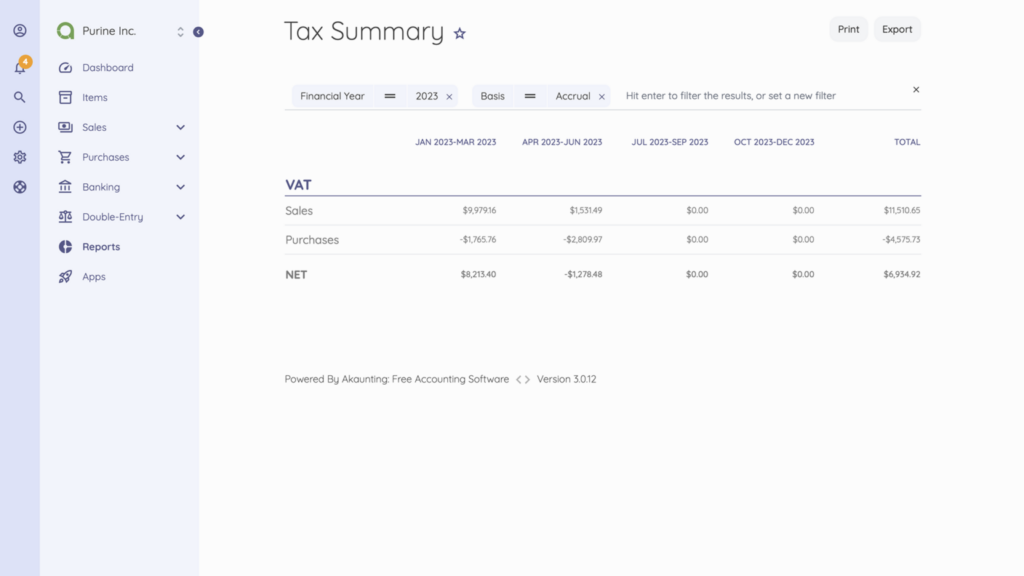
– Navigate tax law and global requirements: As your brand scales, you may encounter complex tax law triggers, such as VAT registration for digital product sales in the EU or UK. Monitoring your revenue thresholds across regions is essential to avoid penalties and maintain international standing.
– Simplify tax time: By maintaining digital receipts and categorized ledgers year-round, you eliminate the April scramble. Real-time data entry means your books are always audit-ready, allowing you to focus on growth rather than paperwork.
Building a creator business that lasts
Mastering the accounting basics for influencers is about building a repeatable workflow that protects your time.
Remember these core habits:
– Formalize your business identity.
– Automate your tax reserves.
– Move away from manual spreadsheets.
Standardizing your back-office operations means you spend less time on admin and more time on the creative output that drives your revenue.
Ready to stop manual data entry? Give Akaunting a try for free to see how straightforward and stress-free managing your creator finances can be.
Author bio