

Should You Buy Property in Your Own Name or Through a Business Entity? An Accounting-First Framework
Reading Time: 9 minutesThe deed asks one question, and it looks harmless. Your name, or a company’s name?
That single line on a closing document decides how the property is taxed, whether a lawsuit can reach money held somewhere else, what rate a bank quotes, and how many hours a year go to paperwork that came attached to the choice.
Most buyers treat it as a legal formality handled at the end. It isn’t. It’s an accounting decision first, and it can’t be answered honestly until the numbers have been run under both structures across the years the property will actually be held.
Here is how to think about it before signing.
Two Ways To Hold It
These are the two kinds of ownership.
Personal ownership
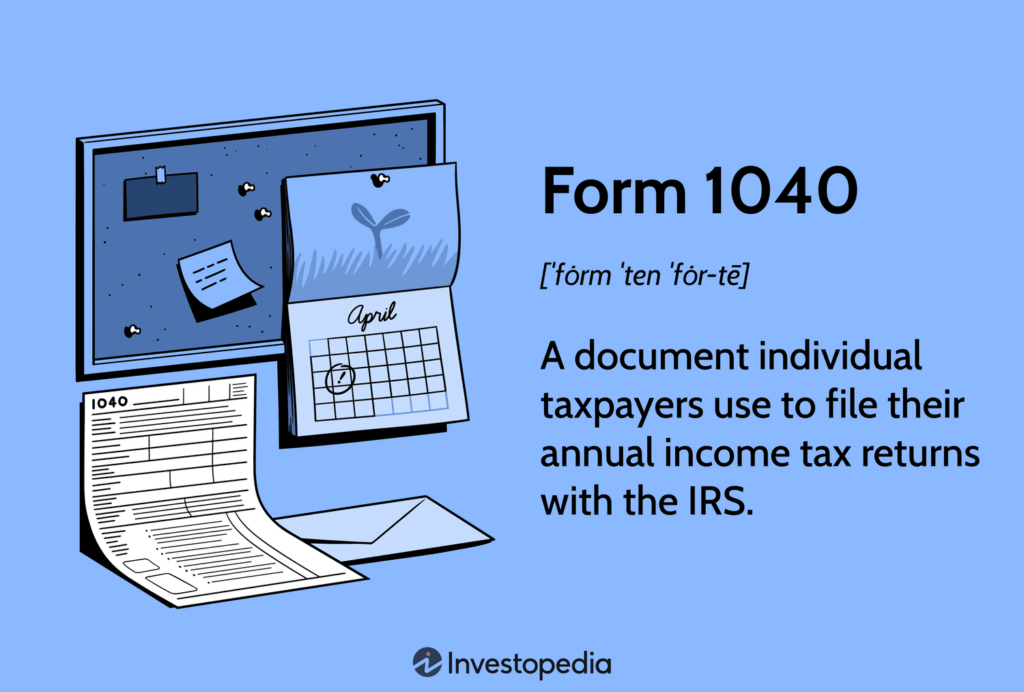
The property is the owner. Same tax return, the same bank account if nobody’s careful, the same legal exposure. Income and expenses land on the 1040, and if it’s a primary residence, the homeowner benefits come with it.
Simple, and simple is worth more than most spreadsheets credit.
Entity ownership
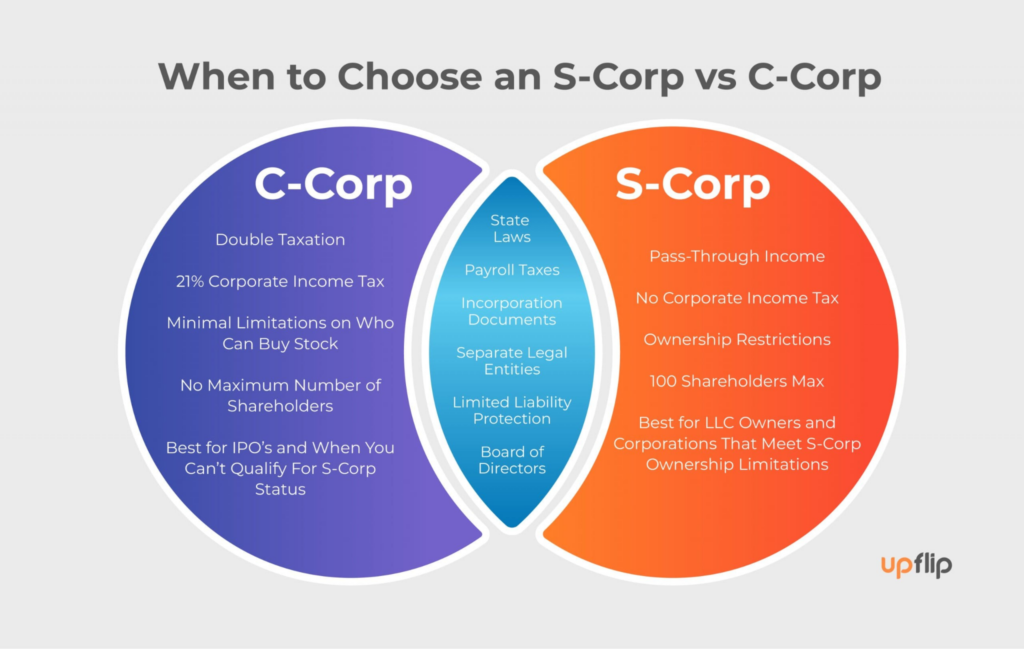
A company holds title, usually an LLC, occasionally a partnership, rarely a corporation for anyone who thinks it through. The LLC dominates real estate because it bends to fit:
- – Single-member LLCs are treated as disregarded entities, so the IRS looks past them and everything flows to the owner.
- – Multi-member LLCs are taxed as partnerships.
- – S-corp or C-corp treatment can be elected when a specific reason demands it, though for holding property there usually isn’t one.
Everything downstream comes from four pressure points: how it’s taxed, who can sue and what they can reach, what a lender will do, and how much administrative weight the owner is willing to carry. None settles the question alone. They lean.
Taxes Do Most Of The Deciding
This is where the real money lives, and it’s the part people skip because it’s tedious and the closing date is near.
A primary home held personally
Itemize, and mortgage interest and property tax come off the return, though state and local taxes are capped at $10,000 for most filers, a limit that has rewritten the math for anyone in a high-tax state.
The larger benefit shows up at the exit. Clearing the primary-residence test excludes up to $250,000 of gain, or $500,000 married filing jointly. That’s not a deduction that shaves a little off.
It’s gain the tax code never touches, and no entity structure comes close to matching it for a home someone actually lives in.
The same building as a rental
Held personally and rented, income and expenses run through Schedule E.
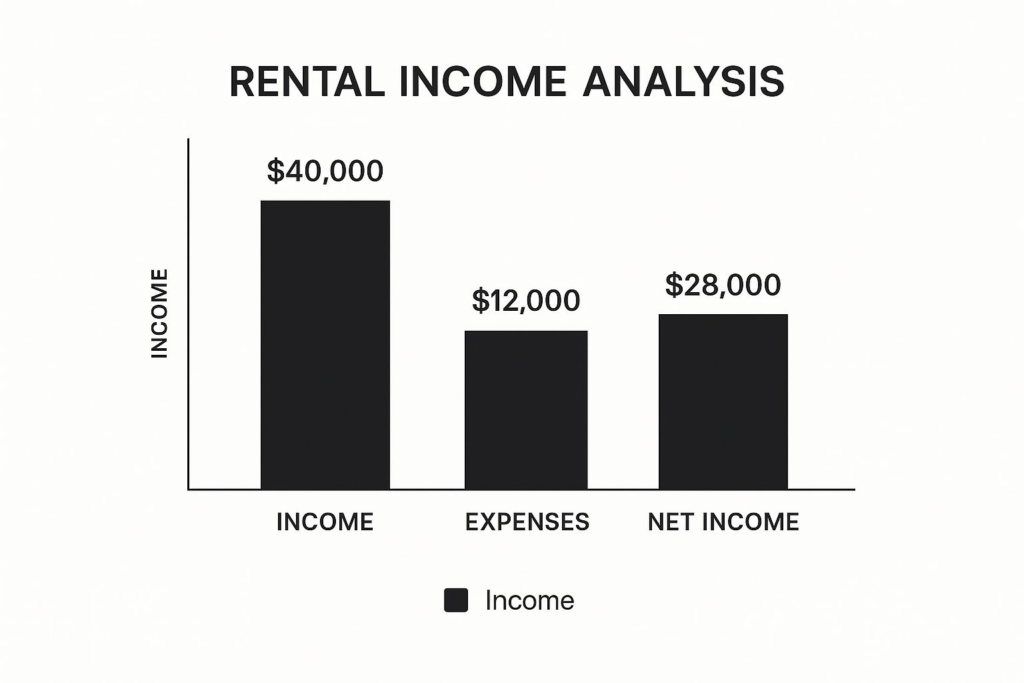
The structure depreciates on a 27.5-year schedule for residential, 39 years for commercial, straight-line under MACRS, which usually produces a paper loss even in years the property cash-flows fine. Then the passive activity rules step in.
Those losses can’t offset W-2 income unless the owner clears the real estate professional bar or fits inside the special $25,000 allowance, and both come with conditions that bite.
Holding it in an entity
An entity doesn’t change the flow-through. An LLC taxed as a partnership or disregarded entity passes income and loss through exactly the way personal ownership does. What changes is how clean the operation is:
- – Cost segregation studies and component depreciation are easier to run against entity books.
- – Property-level expenses stay separated from personal spending.
- – If the activity rises to a trade or business, the Section 199A deduction can put a fifth of qualified income beyond the reach of tax, with a route for rental activities through the safe harbor in Notice 2019-07.
- – On sale, a 1031 exchange rolls the gain into the next property and defers the bill, though only for investment property, never a home.
Structures to handle with gloves
- – C corporation: appreciating real estate held inside one can be taxed twice, once when the corporation earns and again when it distributes to the owner.
- – S corporation: sidesteps the double tax but drags in basis and distribution complications that make it a poor home for anything meant to appreciate.
The rule every competent CPA repeats and every rushed buyer waves off: model it first. Run the actual tax cash flows under each structure across the years the property will be held, on paper, with numbers. The right answer stops being a matter of opinion the moment it’s penciled out.
The Lawsuit You Haven’t Had Yet
Rentals produce risk the way they produce rent, steadily, and sometimes while attention is elsewhere.
A tenant goes down on an icy step. A contractor’s ladder goes through a window and into the person behind it. A fight over a security deposit acquires a case number.
An LLC draws a line between that and everything owned outside it.
Set up properly and respected, a claim against the property stays a claim against the property, and the house, the savings, and the other rentals sit on the far side of the wall.
Gregor Emmian, Deputy Chief Digital Growth Officer at Rise, a trading education platform focused on helping people make more disciplined financial decisions.
He explains, “One of the biggest investing mistakes is making a long-term decision based on a single perceived advantage. Property ownership structures work the same way.
A lower tax bill this year or a simpler closing process today tells you very little unless you’ve modeled how that decision affects financing, cash flow, and eventual exit over the full life of the investment.”
Set up carelessly, the wall isn’t there.
Courts pierce the veil when an owner treats the LLC like a costume rather than a company. What tends to collapse the protection:
- – Paying the property’s expenses out of a personal account.
- – Never drafting an operating agreement.
- – Running rent through personal banking.
- – Ignoring the formalities the entity is supposed to observe.
Do those, and a halfway competent plaintiff’s attorney will argue the entity was never real, and judges agree more often than owners expect. The protection is conditional: separate accounts, observed formalities, books that hold up under a look. Against what it guards, that price is nothing.
For a primary home, none of it is usually necessary. A solid umbrella policy on top of personal ownership covers most families, and the entity buys them little.

Alex Byder, Founder of BD Homebuyer, regularly sees how ownership decisions affect later sales and transfers.
He notes, “People often ask whether they should put every property into an LLC because they’ve heard it’s the safest option. In practice, the answer depends on why the property exists in the first place.
A family home, a long-term rental, and a property you’re actively building into a portfolio each create very different obligations, and treating them all the same usually creates unnecessary complexity.”
The calculation turns over with rentals, multi-unit buildings, and short-term stays, where the exposure is real enough that an LLC stops reading as caution and starts reading as the default.
What The Bank Actually Sees
Lenders read a person and a company as two different risks, and they say so through the terms.
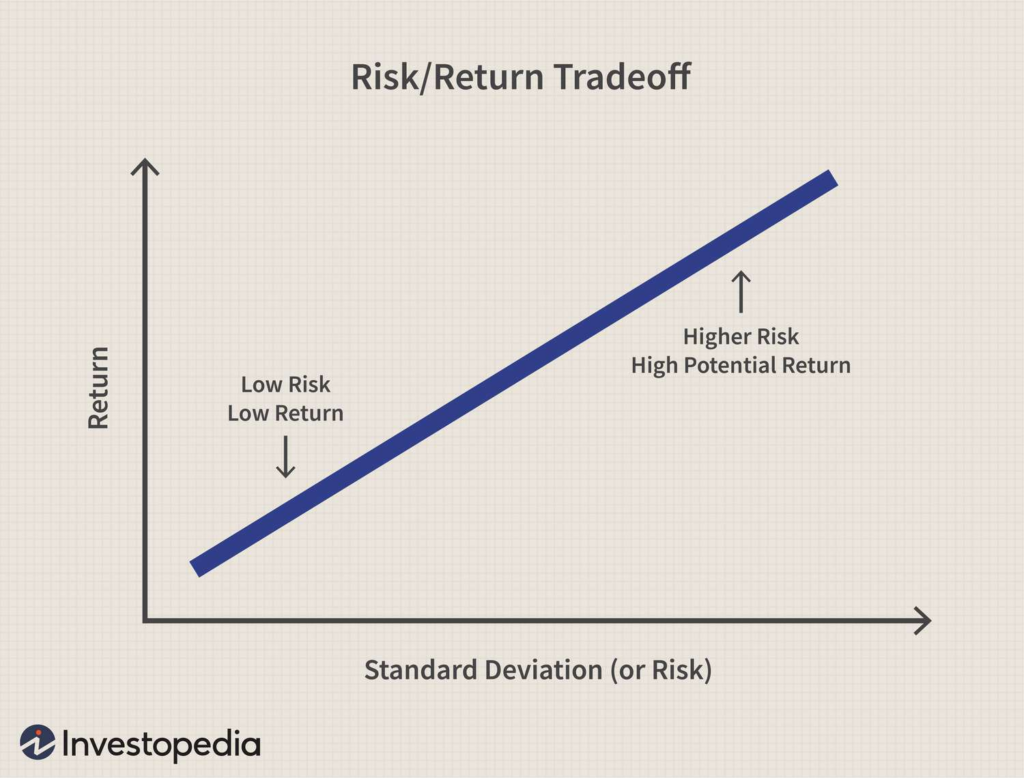
- – As an individual on a primary residence: the good end of everything. Lowest rate, smallest down payment, underwriting that mostly follows common sense.
- – On an investment property: another creature entirely. Expect 20 to 25% down and a rate reflecting the bank’s assumption that a rental gets defaulted on long before an owner-occupied home does. That’s written into agency guidelines, not negotiated away.
- – Through an entity: cleaner equity splits, an easier path to bringing partners aboard, paperwork a loan officer can follow. What it won’t do is remove the borrower from the equation. Nearly every loan a small investor signs carries a personal guarantee, which means the LLC organizes the risk without erasing anyone from it.
Omer Reiner, Founder of Texas Home Buyers, has worked with homeowners and investors through purchases involving a wide range of financing situations.
He says, “Buyers are often surprised that changing the ownership structure doesn’t automatically change how a lender evaluates the deal. Financing still comes down to the overall risk profile, and it’s worth understanding those lending requirements before deciding whether an entity actually gives you an advantage.”
The Part Nobody Warns You About
Personal ownership is light. Keep the receipts, file one return, fold the property into the rest of household finances, and keep the weekends.
An entity wants things on a schedule:
- – Annual filings with the state.
- – A registered agent, and the fee that follows.
- – An operating agreement that means what it says.
- – Separate returns once it’s a partnership or corporation.
- – Records kept as though someone might one day read them.
Whether that weight is worth carrying depends on the size of what it protects. Spread across a portfolio, it’s a rounding error. Wrapped around one condo rented to a cousin, it can feel like putting on a suit to mow the lawn.
Your Books Decide More Than Your Structure
The perfect entity still forfeits its benefit if the bookkeeping is sloppy. The structure is a promise. The books are the evidence of whether it was kept.
The most expensive mistake is also the most ordinary: letting personal and property money touch.
The instant they mix, two things break at once. Clarity about whether the property actually makes money disappears, and anyone challenging the LLC gets the precise evidence needed to argue it was never a real company.
A few things that don’t bend:
- – One bank account per property. Always, even for a personal rental with no entity behind it, because a dedicated account keeps Schedule E honest and gives the owner something clean to point at if the question ever comes up.
- – A chart of accounts built for property, keeping repairs and capital improvements in separate places. The IRS tangible property regulations and the de minimis safe harbor allow smaller items to be expensed rather than capitalized, but only when the books already draw that distinction.
- – Depreciation tracked on purpose, not reconstructed in a panic in April. Residential on 27.5-year straight-line, commercial on 39. Miss it, and real deductions get left on the floor, or worse, recapture arrives unplanned.
This is roughly the shape of what Akaunting is built to hold. Each entity lives as its own company, transactions get tagged by property, and a property-level P&L comes out without stapling spreadsheets together at midnight.
Bank feeds match rent deposits back to leases, and attachments keep the invoice beside the transaction it belongs to. The Assets app tracks basis, useful life, and monthly depreciation so the books stay lined up with the tax rules rather than drifting away over the year.
When Your Name On The Deed Is The Right Answer
Sometimes the property belongs to a life more than a business, and the structure should admit that plainly. Personal ownership tends to fit when:
- – It’s a primary residence, where the mortgage interest, property tax deduction, and sale exclusion no company can match are all on the table.
- – It’s a single rental meant to be held for years, low-risk, few moving parts, where an entity adds cost and filings without meaningful protection.
- – Simple beats optimal, and the preference has been thought through rather than defaulted into.
Take a first-time buyer who buys a duplex, lives on one side, rents the other. House-hacking.
Personal ownership keeps the financing easy and holds the home-sale exclusion in reserve for later, while Schedule E captures the rental income and expenses in the meantime. An LLC here would mostly get in the way.
When The Company Should Hold It
The moment ownership of a property turns into running a portfolio, the answer flips. An entity earns its place when there’s:
- – More than one rental, or a clear plan to get there.
- – Partners or outside money, requiring documented ownership and clean splits.
- – Higher-risk property, such as multi-unit, short-term, or commercial, where the liability isn’t a thought experiment.
- – Reliance on cost segregation, formal depreciation schedules, or 1031 exchanges, which work best when an entity gives them room.
- – A lender or partner who needs to see clean, separated numbers before committing capital.
The setup that tends to survive contact with reality: one LLC per property, or per group of similar risk, with a holding company above them handling management and reporting. It’s more than a deed in a drawer, and it earns that on the day something goes wrong, or the day clean books have to go in front of the person who controls the capital.
Making The Call
None of this is a matter of taste, though it gets treated like one. It’s arithmetic and exposure. Before signing:
- – Run the taxes under each structure for the full holding period.
- – Price out the insurance and the legal setup.
- – Get real financing quotes as an individual and as an entity, rather than guessing at the spread.
- – Judge honestly how much bookkeeping will actually get kept up, not the diligent version imagined while reading this.
Then choose, and build the books to match from the first transaction, because bolting clean records onto a year of commingled money after the fact is its own particular misery, and it’s entirely avoidable.
Author Bio

Dylan Myers is a financial advisor with over 20 years of hands-on experience in guiding clients toward financial stability. Dylan crafts insightful articles on diverse financial topics, offering valuable advice to readers seeking to navigate the complexities of personal finance.